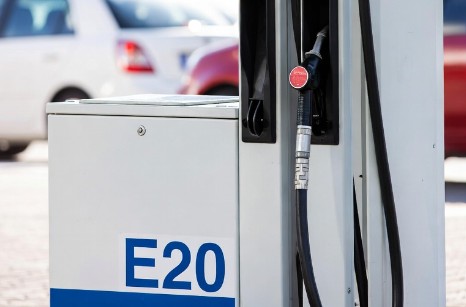
Big changes are coming to your neighborhood petrol pump. By April 1, India is officially switching to E20 fuel, a blend of 80% petrol and 20% ethanol, as the new national standard.
If you’ve been seeing “E20” stickers on fuel dispensers lately, it’s no longer just a pilot project. It’s now the law of the land. Here is a simple breakdown of what this means for your wallet, your engine, and the environment.
Will this fuel damage my engine?
This is the number one question for every car and bike owner.
If your vehicle was made in the last three years, you have nothing to worry about. Manufacturers have already designed these engines to handle ethanol without any issues.
Most cars made after 2010 will run fine, though they weren’t specifically “tuned” for it. You might notice a tiny drop in power or mileage (around 3-5%), but it won’t stop your car in its tracks.
Along with the ethanol mix, the government has mandated that all petrol must now be 95 Octane (RON 95).
What is Octane? Think of it as “fuel smoothness.”
Higher octane prevents your engine from making that “knocking” or “pinging” sound. It actually helps your engine run smoother and keeps it cleaner for longer.
Why is the Government doing this?
It’s a win-win for the country for three main reasons:
India spends billions of dollars buying oil from other countries. By mixing in 20% ethanol (made from local sugarcane and corn), we save a massive amount of foreign cash.
The money that used to go to oil-producing nations is now going to Indian farmers who grow the crops used to make ethanol.
Ethanol burns cleaner than petrol, meaning less smoke and pollution from your exhaust pipe.
What about Diesel?
Diesel isn’t left out, but it’s a bit more complicated. Ethanol doesn’t mix easily with diesel, so the government is currently testing special “additives” to make it work. For now, the big 20% push is mainly for petrol users, but expect “Bio-Diesel” blends to become more common for trucks and buses soon.