The global economy is currently on edge. As tensions between the United States, Israel, and Iran move into their third week, the world is not just watching a military conflict. It is also a growing threat to the global oil Crisis.
Crude oil prices crossed $105 per barrel on Monday, raising concerns in financial markets and among governments. If the conflict continues, it could disrupt energy supplies and push fuel prices even higher around the world.
But even though the US has one of the strongest militaries in the world, handling this situation alone is extremely difficult. That is why Washington is urging its allies in NATO to play a bigger role.
The Strait of Hormuz: A Critical Route for Global Oil
A key part of the crisis revolves around the Strait of Hormuz, a narrow waterway that connects the Persian Gulf with the rest of the world. Around one-fifth of global oil shipments move through this route every day.
Recently, the US and Israel carried out military strikes under an operation known as Operation Epic Fury, targeting Iranian military sites. In response, Iran moved to disrupt shipping through the Strait, creating fresh uncertainty in the oil market.
From Washington’s point of view, protecting this route should not be America’s job alone.
Heavy Dependence on Middle East Oil: Countries in Europe and Asia depend much more on oil from the region than the US does.
Shared Responsibility: The US believes that nations benefiting from these oil shipments should also help protect them.
Global Economic Impact: Any long disruption in the Strait could increase fuel prices worldwide and slow economic growth.
A Conflict That Could Last Longer
At first, the strikes focused on high-value military targets. But the situation is now turning into a slower and more complicated conflict.
Iran has reportedly changed its strategy by using drones, naval mines, and small attack boats to create problems for ships moving through the region.
This kind of conflict is harder to manage because it can continue for a long time.
More Troops Needed: The US has started moving about 2,000 Marines from Okinawa to the Middle East.
Forces Are Already Spread Out: American troops are deployed in several regions, including Europe and the Indo-Pacific. Handling another long conflict alone can stretch resources.
Surveillance Support: NATO aircraft that provide radar monitoring are also being used to watch activity linked to Iran.
Because of this, cooperation with allies becomes important.
Why International Support Matters
There is also a political side to the situation.
A military action led only by the US often faces stronger criticism internationally. But when several countries are involved, it looks more like a joint effort to maintain stability.
Support from NATO members can help in several ways:
Stronger International Backing: Involvement from allies can make the operation appear more legitimate in global forums like the United Nations.
Shared Military Effort: Countries such as the UK and France can contribute ships, aircraft, and intelligence.
Reassurance to Regional Allies: Nations like Jordan, Kuwait, and Bahrain host US bases and worry about retaliation from Iran. A wider coalition provides them with more confidence.
Trump’s Warning to NATO
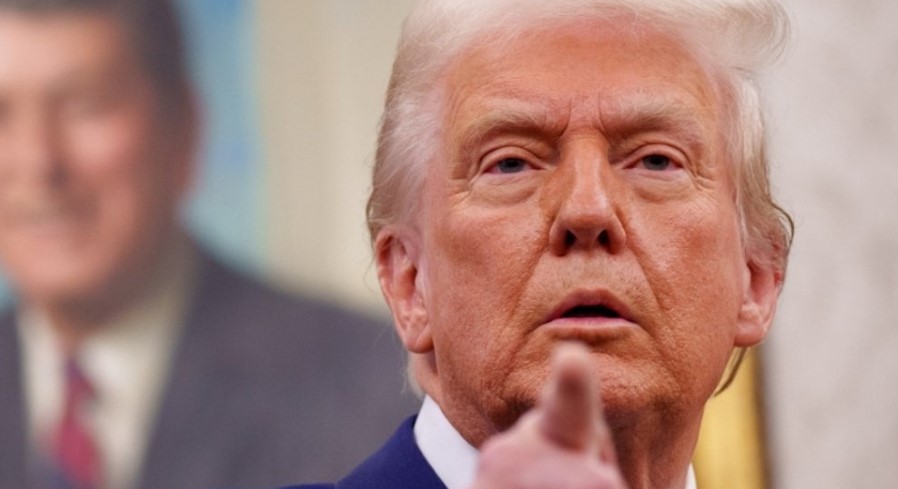
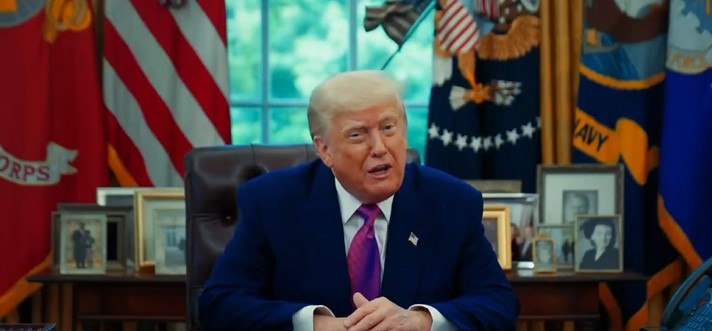
Former US President Donald Trump has also weighed in on the issue. In comments reported by the Financial Times, he warned that NATO could face a “very bad future” if allies fail to support the US during such crises.
His comments highlight a growing view in Washington that the US should not carry the entire burden of global security.
The tension with Iran is no longer just a regional conflict. It has the potential to affect global oil supply, fuel prices, and economic stability.
For the US, bringing NATO partners into the effort is not only about military strength. It is also about sharing responsibility, protecting energy routes, and showing a united international response during a major crisis.