For years, Dubai has been seen as a place where everything is available: luxury shopping, world-class hotels, and food from almost every corner of the world. But behind the glitter, the city is now facing a serious question: what happens if supply lines are disrupted?
With tensions rising in the Gulf region, concerns about food supplies and drinking water are starting to grow. The issue has sparked discussions among residents, businesses, and policymakers about how prepared the city really is if major supply routes are affected.
The “Eight-Day” Food Supply Concern
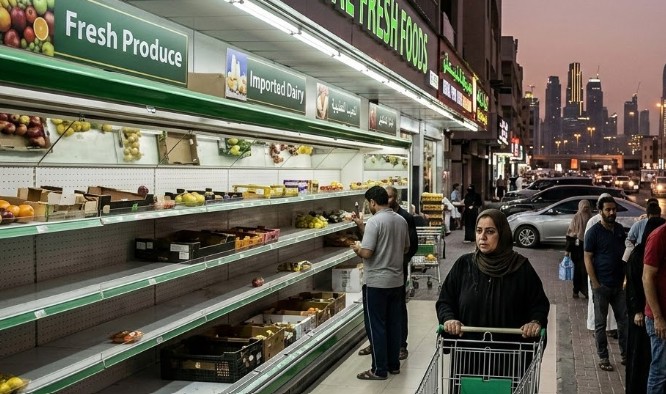
One of the most talked-about concerns recently is the possibility that some fresh food supplies could run low in a matter of days if imports slow down.
The reason is simple. The United Arab Emirates depends heavily on imports and brings in nearly 90% of its food from other countries. If shipping routes are disrupted for an extended period, the flow of fresh items such as fruits, vegetables, and dairy products could slow significantly.
Here are a few factors creating pressure on the supply chain:
Shipping Routes Under Pressure
The Strait of Hormuz, one of the world’s most important shipping routes, has become sensitive because of regional tensions involving Iran. Some commercial vessels are becoming cautious about using this route.
Air Cargo Limitations
Air transport is often used to bring urgent food supplies, but airlines have also been adjusting their routes to avoid conflict areas. This has reduced cargo capacity and made transport more expensive.
Rising Grocery Prices
Many shoppers have already noticed higher prices at supermarkets in Dubai. Some fruits and vegetables have become more expensive almost overnight, especially during the busy Ramadan shopping season.
The Bigger Issue: Water in a Desert City
Food supplies can usually be replaced quickly through air shipments, but water is a different story.
Dubai sits in the desert, and most of its drinking water comes from desalination, turning seawater into fresh water. In fact, about 90% of the city’s drinking water is produced this way.
Major desalination facilities in areas like Jebel Ali and Fujairah play a critical role in keeping water flowing to homes and businesses.
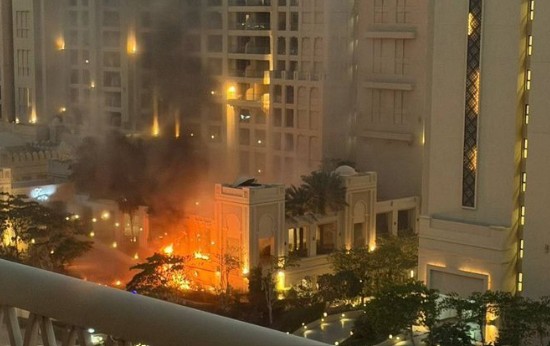
Recently, reports of drone activity and falling debris near some infrastructure sites have raised concerns in the utility sector. Experts say that if a desalination plant were seriously damaged, it could create a major challenge because the city relies heavily on these plants.
Unlike food, water production cannot easily be replaced overnight. Strategic reserves exist, but they would only last for a limited time if production stopped.
Steps Being Taken to Avoid a Crisis
Despite the concerns, authorities and businesses in the UAE are taking steps to make sure supplies continue without major disruption.
Flying in Food Supplies
Large retail groups such as Lulu Group are arranging cargo flights from countries like India and parts of Africa to bring in fresh vegetables, meat, and other essential items if needed.
Monitoring Retail Prices
The UAE Ministry of Economy has also increased checks on supermarkets to make sure retailers do not take advantage of the situation by raising prices unfairly.
Investing in New Water Projects
Another important step is the fast-tracked completion of the Hassyan Desalination Plant. The project is already close to completion and is expected to become one of the largest solar-powered desalination plants in the world. This will help reduce the city’s dependence on traditional energy-heavy water plants.
Dubai has built its reputation by overcoming challenges and planning for the future. While current tensions have highlighted some vulnerabilities, the city is also investing heavily in food security, new water technologies, and alternative supply routes.
For now, supermarkets remain stocked, and daily life continues as usual. But the situation has reminded many people of an important truth: even the most modern cities must constantly work to secure the basics, food and water.